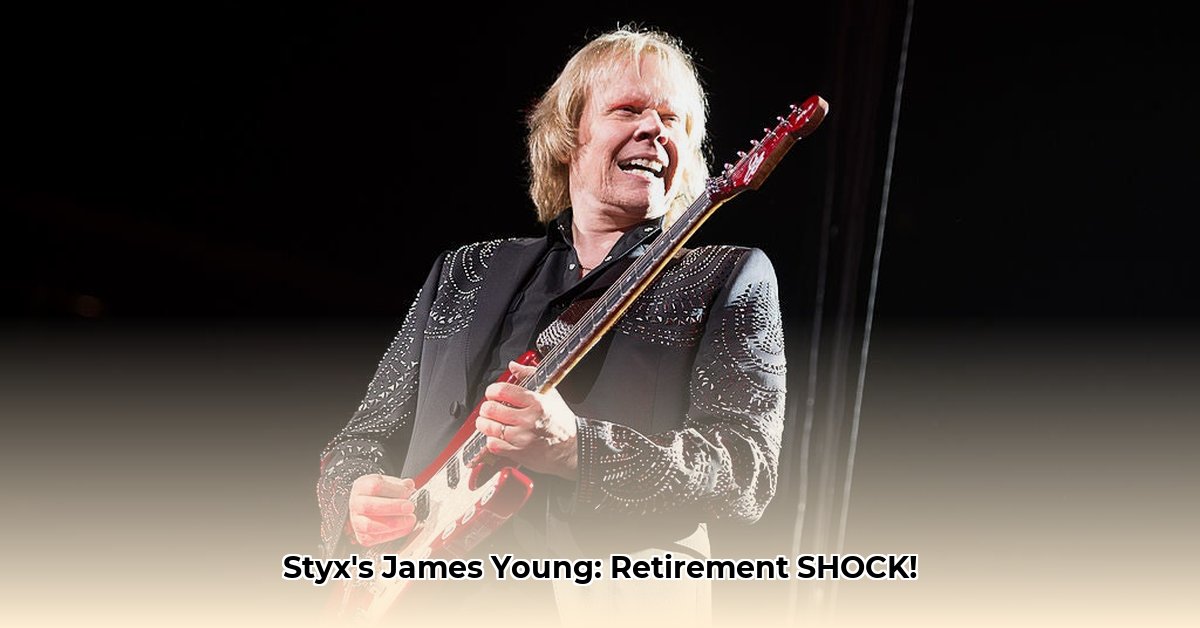
The future of iconic rock band Styx hangs in the balance as guitarist and vocalist James Young contemplates retirement. This isn't merely a personnel change; it's a potential seismic shift impacting the band's financial stability, creative direction, and lasting legacy. This analysis explores the ramifications of Young's potential departure, examining its impact on various stakeholders and outlining possible future scenarios for the band.
The Emotional Toll and the Decision to Retire
Recent reports suggest that the death of Young's wife has profoundly affected him, leading him to reassess his priorities. This deeply personal loss has understandably influenced his desire to continue the demanding touring schedule associated with Styx's ongoing success. The emotional toll of grief, coupled with the physical rigors of constant touring, presents a compelling narrative behind the retirement speculation. It’s not simply a business decision; it’s a deeply human one. This personal context significantly informs the potential impact on both Young himself and the band as a whole.
A Band in Transition: Adaptability and Vulnerability
Styx has demonstrated resilience in the past, notably adapting to the departure of bassist Ricky Phillips. However, replacing a founding member of Young's stature presents an entirely different challenge. His contributions extend far beyond musical proficiency; he is intrinsically linked to the band's very identity and brand. Losing him would necessitate a re-evaluation of their creative direction, marketing strategies, and overall public image. This change affects not only the music but also the financial bottom line—a reality that significantly impacts James Young's net worth, which is heavily intertwined with Styx's success.
Financial Implications: Unpacking Potential Scenarios
The potential impact of Young's retirement on Styx's finances is multifaceted. The following table details the short-term and long-term implications for key stakeholders:
| Stakeholder | Short-Term Impact | Long-Term Impact |
|---|---|---|
| James Young | Reduced touring income; potential for solo projects or other income streams. | Significant shift in financial portfolio; net worth dependent on new ventures and Styx royalties. |
| Styx Band Members | Adjusted touring schedule; potential creative shifts and changes in musical direction. | Maintaining audience engagement and revenue streams amidst lineup changes. |
| Management/Label | Revised financial projections; need to adapt marketing and branding strategies. | Long-term brand management adjustments to maintain profitability and overall value. |
| Fans | Range of emotional responses; potential period of adjustment to changes in sound and image. | Continued support or decreased engagement, depending on how the transition is handled. |
This highlights the interconnectedness of the situation. Any decision regarding Young’s retirement necessitates careful consideration of its cascading effects on each stakeholder.
Navigating the Uncertain Future: Mitigating Risks
Several risk factors could significantly influence the success of Styx post-Young. The following explores these factors, along with potential mitigation strategies:
| Risk Factor | Probability | Impact | Mitigation Strategies |
|---|---|---|---|
| Young's Retirement from Styx | Moderate | High | Develop comprehensive succession plan; diversify revenue streams (merchandise, licensing, etc.). |
| Negative Fan Reaction | Moderate | Moderate | Transparent communication; emphasize band's legacy and continued musical commitment. |
| Loss of Brand Identity | High | High | Highlight remaining members' strengths; consider targeted rebranding efforts. |
| Decreased Touring Revenue | High | High | Strategic marketing; explore alternative revenue streams beyond live performances. |
Addressing these risks proactively is crucial for the band's long-term survival and financial health.
The Enduring Legacy of Styx: A Crossroads
Styx’s enduring legacy is intricately woven with James Young’s contributions. His potential retirement presents a critical juncture. The band’s future, both creatively and financially, hinges on effective management of this transition. Will they successfully adapt, maintaining their fan base and securing their financial future? Or will the departure of their last original member lead to a decline? The coming months will offer a compelling case study in the resilience and adaptability of a classic rock icon. The answers lie not only in the music, but also in the strategic decisions made in response to this pivotal moment.